
Pain Management in Shelton, CT — Real, Drug-Free Relief for Chronic Pain That Won’t Quit
Integrative pain management combining acupuncture, dry needling, PEMF therapy, and functional medicine to address the root causes of your pain — not just the signal.
- 144+ Five-Star Google Reviews — Shelton’s highest-rated integrative pain relief clinic
- Advanced acupuncture + dry needling + e-stim + PEMF — a multi-modality pain stack no single-discipline provider offers
- Same-Week Appointments | VA Insurance & Most Major Plans Accepted | Free Benefits Verification
You know your pain better than any doctor who has ever treated it.
You know what it feels like to wake up already aching. To cancel plans not because you want to but because your body won’t cooperate. To plan every day around what your pain will allow. To say “I’m fine” to people who don’t need the whole story. To wonder, quietly, if this is just your life now.
You’ve tried the medications. Some helped for a while. Some had side effects worse than the pain. You’ve done the physical therapy, the injections, maybe the specialist visits. The results were temporary. The pain came back. Or never fully left.
Here’s what most pain treatment is missing: it’s addressing where it hurts without addressing why it keeps hurting. For most people with chronic pain, the answer lives in the nervous system — not just the tissue. And the tools that actually break chronic pain cycles are the ones that work on the nervous system directly.
That’s exactly what Dr. Joe Downer does at Stratford Acupuncture & Nutritional Wellness Center in Shelton, CT. Using acupuncture, dry needling, PEMF therapy, cupping, and functional medicine in combination, he addresses pain at every level — neurological, structural, and systemic. Drug-free. Evidence-based. Personalized to your specific pain history. Not a template.
144+ five-star reviews from patients who said what you’re thinking right now — and finally got relief.
Why Are You Still in Pain? The Problem With How Chronic Pain Is Usually Treated
This is the conversation most patients have never had with a provider. And it’s the one that changes everything.
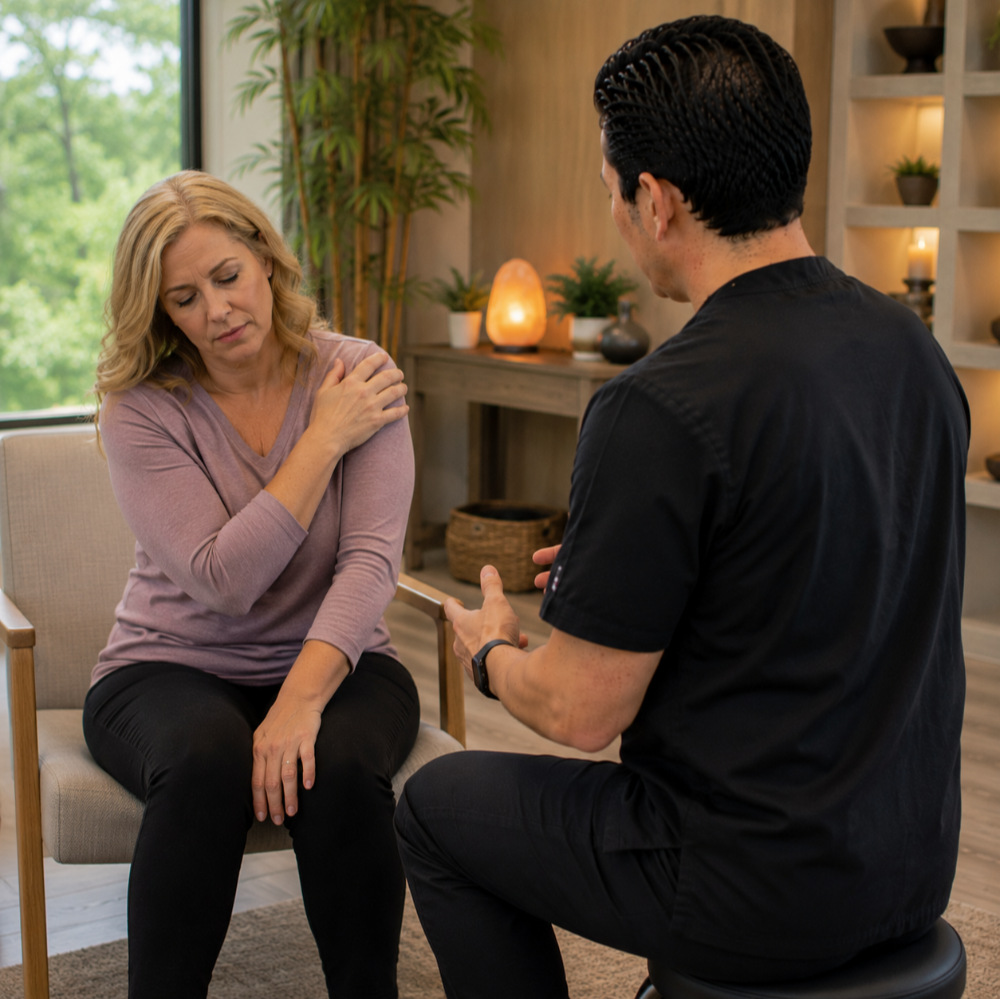
Conventional pain management was built for acute pain. You break a bone, you take a painkiller, the bone heals, the pain goes away. That model works beautifully — for acute pain. Chronic pain is a completely different animal, and treating it the same way is why so many people end up cycling through medications and temporary relief without ever finding lasting resolution.
Here’s what pain science has revealed: chronic pain frequently involves a process called central sensitization — a condition in which the nervous system itself becomes hypersensitive to pain signals. After weeks or months of persistent pain, the brain and spinal cord can begin amplifying pain inputs even after the original injury has healed. The tissue damage resolves. The pain remains. Not because you’re imagining it, and not because something is still broken. Because your nervous system is stuck in a pain loop it can’t break on its own.
This explains why so many chronic pain patients have “normal” imaging. Why the injection worked for a month. Why physical therapy helped a little but the pain came back. These approaches address the structural component. They don’t address the neurological one.
Effective chronic pain management requires tools that work on the nervous system directly — regulating pain-processing pathways, reducing neuroinflammation, and shifting the body from a chronic pain state toward a healing one. This is exactly what acupuncture, electroacupuncture, dry needling, and PEMF therapy are documented to do. And it’s why they succeed where conventional approaches have failed for so many patients.
The American College of Physicians, the World Health Organization, and the Department of Veterans Affairs all recommend acupuncture as a first-line or complementary treatment for specific chronic pain conditions. Since 2020, Medicare has covered acupuncture for chronic low back pain. The evidence is there. The question is whether you’ve had access to the right practitioner.
How Acupuncture and Dry Needling Relieve Chronic Pain — The Science Behind It
If you’ve always thought of acupuncture as something vague and unproven, this section is for you. The mechanisms are real, they’re documented, and they’re why this approach works for patients who’ve tried everything else.
The Gate Control Mechanism
Acupuncture needling activates specific sensory nerve fibers (A-beta fibers) that send signals to the spinal cord that effectively “close the gate” to incoming pain signals. This is the gate control theory of pain modulation — first described by Melzack and Wall, and one of the primary documented mechanisms by which acupuncture reduces pain intensity. It’s not placebo. It’s spinal cord-level pain signal modulation.
Endorphin and Neuropeptide Release
Needling stimulates the release of endorphins, enkephalins, and other endogenous opioids — your body’s own natural pain-relieving compounds. It also promotes serotonin and dopamine release, which contribute to the mood elevation and deep relaxation that most patients experience during and after treatment. This is why many patients describe acupuncture as producing a level of pain relief they haven’t experienced from any other treatment.
Anti-Inflammatory Effects
Acupuncture reduces local and systemic inflammation through the release of anti-inflammatory neuropeptides and the regulation of cortisol and other stress hormones that drive neuroinflammation. This is why acupuncture is effective not just for musculoskeletal pain but for systemic inflammatory pain conditions like fibromyalgia and rheumatoid arthritis-related joint pain — conditions conventional anti-inflammatories only partially address.
Nervous System Regulation
Perhaps the most critical mechanism for chronic pain patients: acupuncture activates the parasympathetic nervous system — the rest-and-repair state. For patients with central sensitization, the nervous system is locked in sympathetic overdrive, which amplifies pain. Acupuncture directly breaks that cycle. Patients describe leaving sessions feeling physically different in a way that goes beyond local pain relief — calmer, lighter, less braced.
Dry Needling + E-Stim
Dr. Downer’s advanced dry needling with electrical stimulation directly targets myofascial trigger points — the overactive, knotted muscle fibers generating both local pain and referred pain patterns that show up nowhere near where the needle goes. E-stim amplifies the therapeutic response, producing a stronger local twitch response and deeper anti-inflammatory effect that dry needling alone can’t achieve. For patients with back pain, neck pain, shoulder pain, and headaches driven by trigger points, this is frequently the intervention that finally clears what everything else has been treating around.
The clinical evidence: A major 2017 meta-analysis covering nearly 18,000 patients across 39 randomized controlled trials found that acupuncture produces effects on chronic pain significantly greater than both sham treatment and no treatment — with effects that persist over time. The American Family Physician cites clinically meaningful benefits for chronic low back pain, tension headache, migraine prevention, neck pain, and fibromyalgia.
Why Integrative Pain Management at Stratford Acupuncture Gets Results That Single-Modality Treatment Can’t
Most pain clinics offer one or two approaches. When they don’t work, they refer you somewhere else. Dr. Downer’s pain management approach is built differently — combining the most effective drug-free pain modalities available under one roof, in protocols designed to compound their effects.
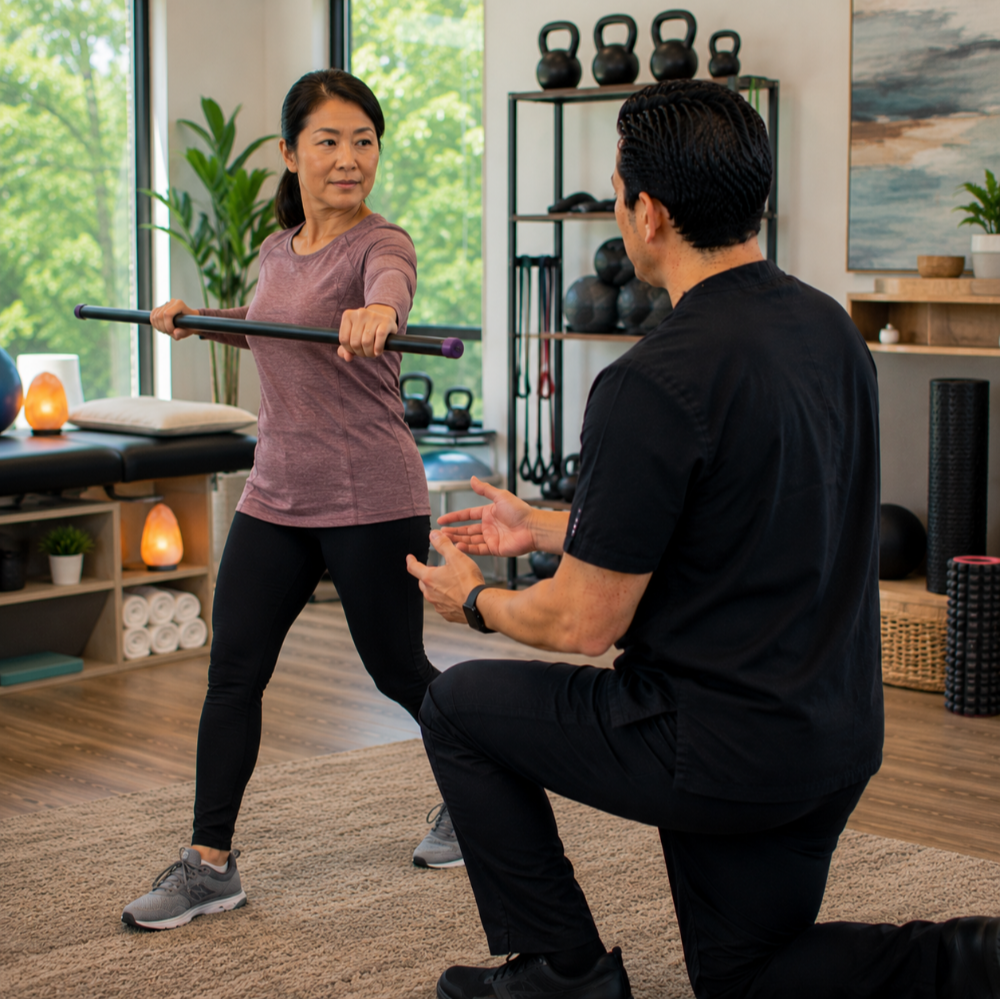
Acupuncture — Nervous System Regulation and Endorphin Activation
Foundational TCM and orthopedic acupuncture targeting the meridian patterns and neurological pathways driving your specific pain. Electroacupuncture (e-stim through the needle) amplifies pain-relieving effects for deep, stubborn conditions. Recommended by the World Health Organization, the American College of Physicians, and covered by Medicare for chronic low back pain.

Dry Needling with E-Stim — Trigger Point Release and Tissue Repair
Multiple ASE certifications in motor point, trigger point, and sports dry needling. Directly targets the myofascial trigger points generating your local and referred pain — the specific knotted muscle fibers that standard treatment addresses around but never through. E-stim amplifies the local twitch response and accelerates tissue-level anti-inflammatory effects. Often the first treatment patients describe as actually reaching the source of their pain.
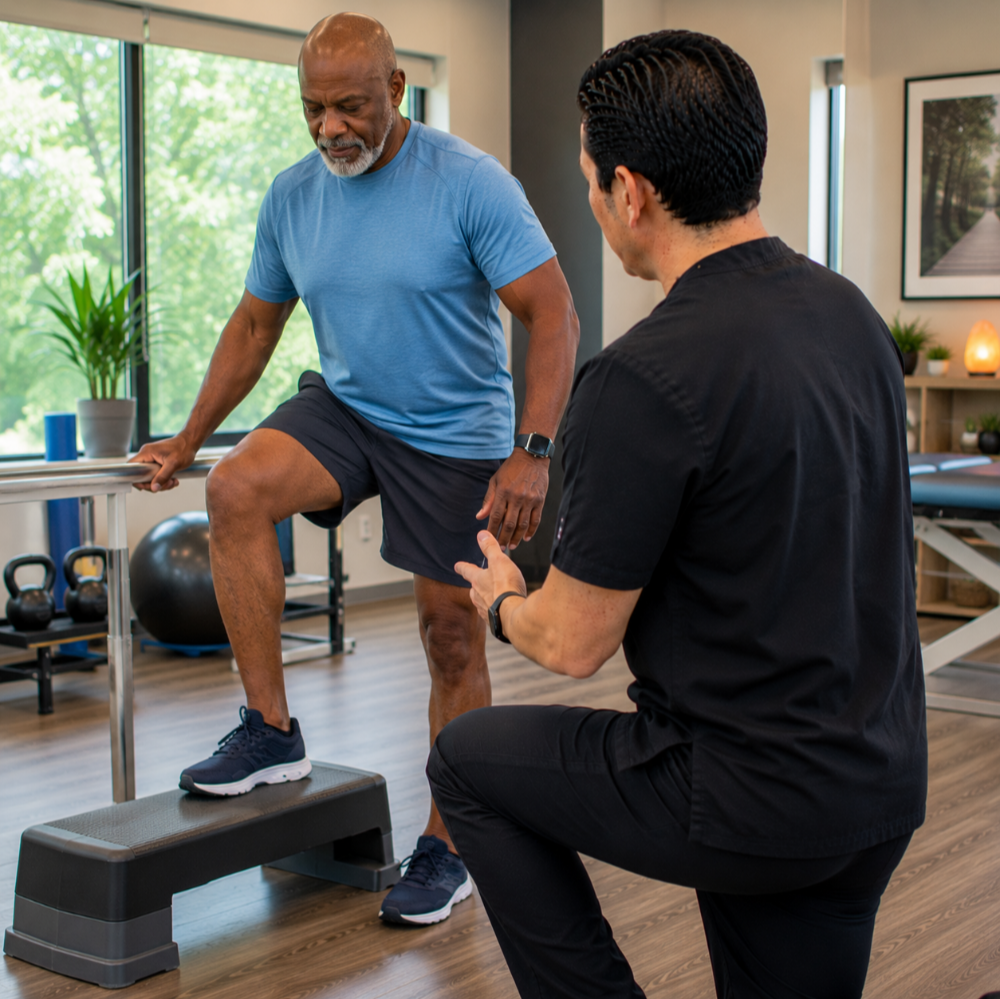
PEMF Therapy — Cellular-Level Inflammation and Pain Reduction
Pulsed electromagnetic field therapy reduces pain and inflammation at the cellular level — accelerating tissue repair, decreasing inflammatory cytokines, and supporting nerve healing. Particularly effective as between-session support for chronic inflammatory pain conditions and neuropathic pain that doesn’t respond fully to needling alone.
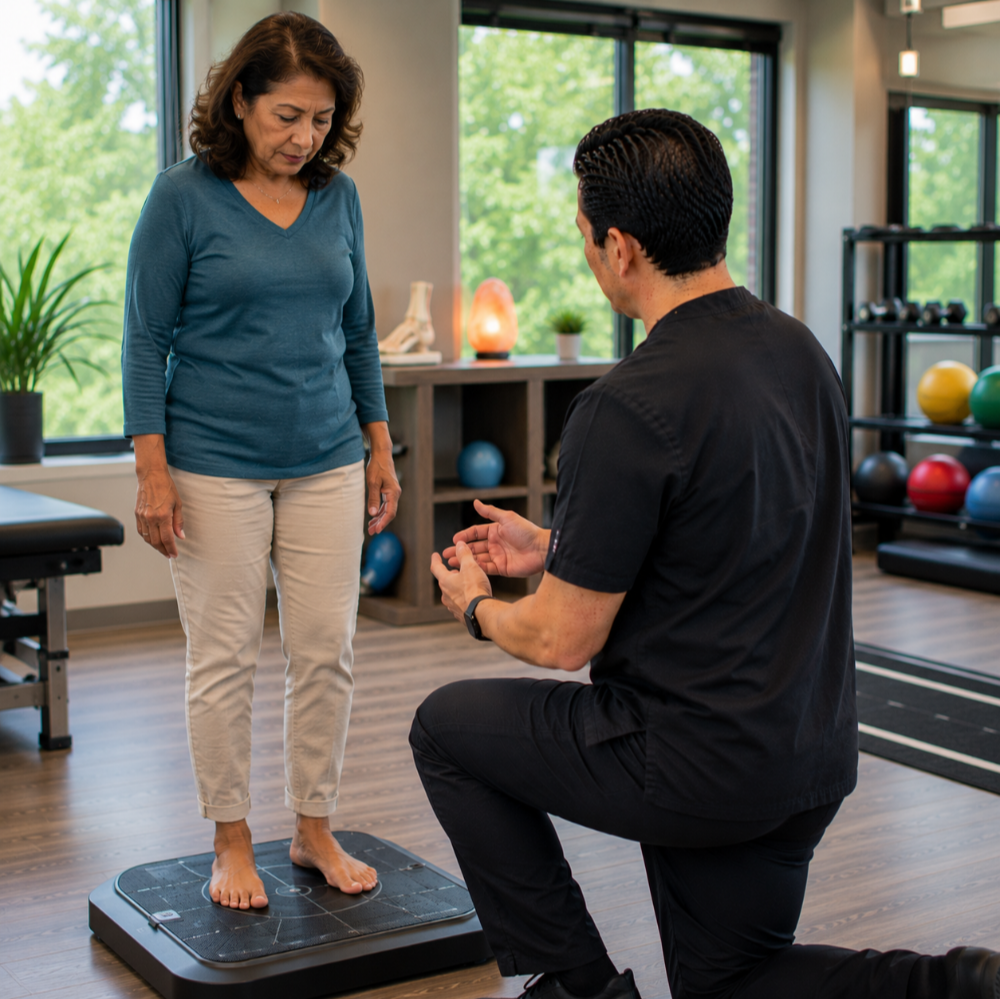
Cupping & Gua Sha — Myofascial Decompression and Circulation
Cupping therapy provides myofascial decompression — reaching fascial layers and circulatory stagnation that compression-based massage can’t access. Gua sha delivers directional fascial release and circulation stimulation. Both reduce pain and muscle tension through documented mechanisms, and both are deeply effective for patients whose pain involves chronic fascial restriction.

Red Light Therapy — Tissue Healing and Nerve Support
Photobiomodulation for tissue repair, reduced inflammation, and nerve healing support. Particularly effective for neuropathic pain, post-surgical recovery, and patients whose chronic pain has a significant inflammatory component.
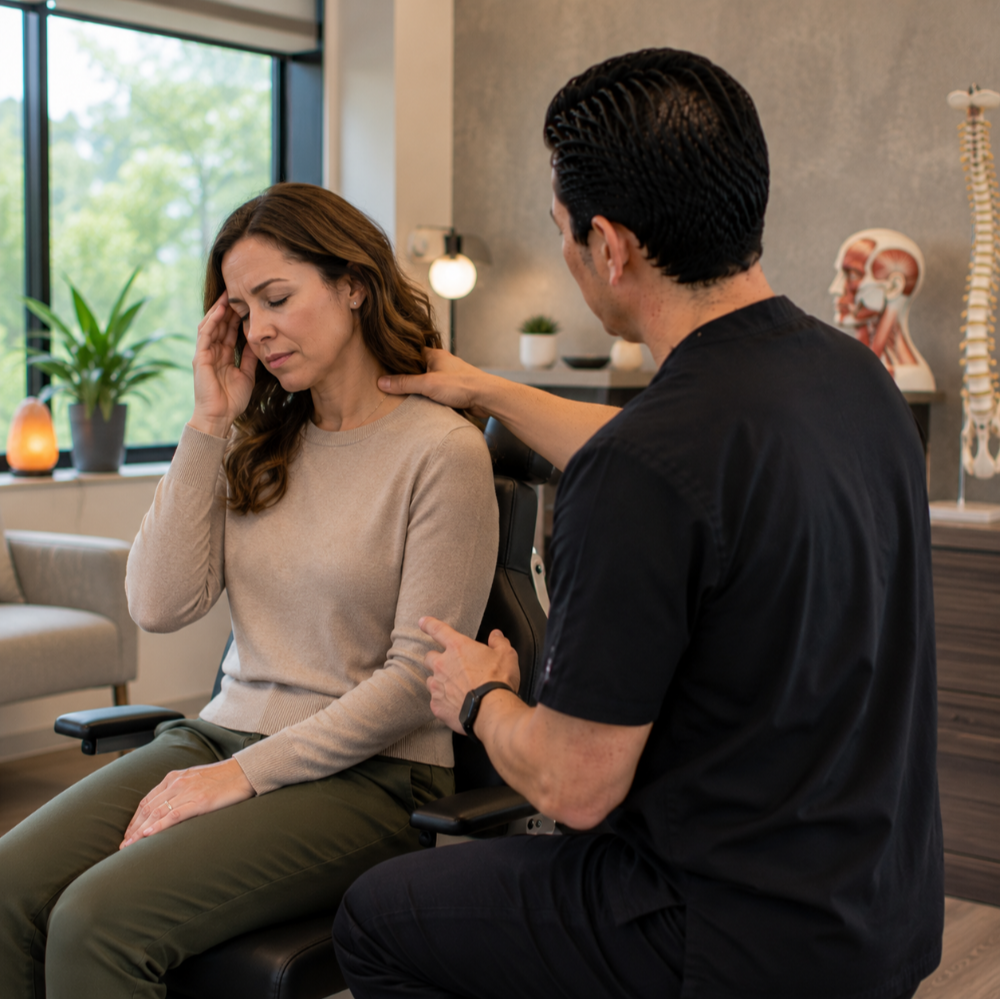
Functional Medicine — Addressing the Systemic Drivers of Chronic Pain
Chronic pain frequently has nutritional, hormonal, and inflammatory drivers that conventional pain management never investigates. Nutritional deficiencies — magnesium, B vitamins, vitamin D — directly affect pain threshold and nervous system function. Hormonal imbalances and gut dysbiosis drive systemic inflammation that amplifies pain throughout the body. Dr. Downer’s IFM functional medicine training and NRT Master Practitioner certification allow him to identify and address these systemic contributors — producing pain improvements that physical treatment alone cannot achieve.
Why Shelton and Fairfield County Patients Trust Dr. Joseph Downer for Pain Management
There’s a meaningful difference between a practitioner who lists acupuncture as one option for pain management and one who has built an entire clinical practice around multi-modality, drug-free pain relief with advanced credentials across every technique involved. Dr. Downer is firmly in the second category — and every credential below is independently verified.

Dr. Joseph Downer, DAc, LAc — Verified Credentials
- Doctor of Acupuncture (DAc) — Pacific College of Health and Science (April 2025)
- Master of Science in Acupuncture (MSAC) — Tri-State College of Acupuncture (2009)
- Sports Acupuncture & Dry Needling Certification — ASE Seminars
- Motor Point / EXSTORE Acupuncture Certification — ASE Seminars
- Trigger Point Acupuncture Certification — ASE Seminars
- Pelvic Floor Dry Needling Certification — ASE Seminars
- Dry Needling Certification — ASE Seminars
- NADA Detox Acupuncture Certification (nervous system regulation)
- Functional Medicine Training — Institute for Functional Medicine (IFM)
- Nutrition Response Testing Master Practitioner — Ulan Nutritional Systems (~800 nationwide)
- CT Licensed Acupuncturist — License #CT 534
- Incoming Chair, Connecticut Society of Acupuncturists (CTSA)
- BBB Accredited — A+ Rating | Greater Valley Chamber of Commerce Member
- VA Insurance Accepted | Husky (CT Medicaid) Accepted | Most Major Carriers In-Network
Frequently Asked Questions
Frequently Asked Questions
How does acupuncture relieve chronic pain?
Acupuncture relieves chronic pain through multiple documented neurological mechanisms. First, needling activates specific sensory nerve fibers that “close the gate” to incoming pain signals at the spinal cord level — the gate control mechanism of pain modulation. Second, it stimulates the release of endorphins, enkephalins, and other endogenous opioid compounds — your body’s own natural painkillers. Third, it reduces local and systemic inflammation through anti-inflammatory neuropeptide release and cortisol regulation. Fourth, for patients with central sensitization, acupuncture activates the parasympathetic nervous system — shifting the body away from the chronic stress state that perpetuates pain. A 2017 meta-analysis of nearly 18,000 patients found that acupuncture produces effects on chronic pain significantly greater than sham treatment, with effects that persist over time.
What is central sensitization and why does it matter for chronic pain?
Central sensitization is a condition in which the nervous system becomes hypersensitive to pain signals following prolonged pain exposure. After weeks or months of persistent pain, the brain and spinal cord can begin amplifying pain inputs even after the original tissue injury has healed — meaning the pain is no longer primarily structural but neurological. This explains why many patients with chronic pain feel pain disproportionate to any visible physical damage, and why treatments targeting only the tissue (injections, surgery, physical therapy) often produce incomplete or temporary relief. Effective treatment of central sensitization requires approaches that work directly on nervous system regulation — which is exactly what acupuncture, electroacupuncture, and PEMF therapy are documented to do.
What chronic pain conditions does acupuncture treat?
Acupuncture has documented clinical evidence for a wide range of chronic pain conditions including: chronic low back pain (covered by Medicare since 2020), sciatica and radiating nerve pain, chronic neck pain, migraines and tension headaches (recognized by the American Academy of Neurology), osteoarthritis of the knee, hip, and shoulder, fibromyalgia and myofascial pain syndrome, peripheral neuropathy, TMJ pain, post-surgical pain, pelvic pain, plantar fasciitis, and tendinopathies. The World Health Organization formally recognizes acupuncture as effective for numerous pain-related conditions. At Stratford Acupuncture in Shelton, CT, Dr. Downer combines acupuncture with dry needling, PEMF therapy, cupping, and functional medicine for patients whose pain has additional systemic drivers.
Is acupuncture a safe alternative to pain medications?
Yes. Acupuncture is recognized by the American College of Physicians and the Department of Veterans Affairs as a safe, effective, non-pharmacological option for chronic pain. Unlike opioids and NSAIDs, acupuncture carries no risk of dependency, gastrointestinal damage, or cardiovascular side effects. When performed by a licensed practitioner, the risk of serious adverse effects is exceptionally low. The U.S. Department of Health & Human Services found that people had less pain or were better able to manage pain when acupuncture was included in their treatment plan. Dr. Downer holds Connecticut License #CT 534 and a full Doctorate of Acupuncture — among the highest levels of acupuncture training available.
How many sessions does it take to relieve chronic pain?
This depends significantly on the type, location, duration, and severity of the pain condition. Many patients experience meaningful improvement within their first 3–5 sessions. Acute pain conditions often respond faster; chronic pain that has persisted for years typically requires a structured course of 8–12 sessions to produce lasting change. During your initial consultation, Dr. Downer will assess your specific presentation and provide a realistic treatment plan with an expected timeline and clear progress milestones — not an open-ended commitment.
What is the difference between acupuncture and dry needling for pain?
Both use thin filament needles, but they approach pain through different frameworks. Acupuncture is rooted in Traditional Chinese Medicine and targets meridian points to regulate Qi flow, nervous system function, and systemic inflammatory patterns. Dry needling targets specific myofascial trigger points — overactive, knotted muscle fibers — using Western pain science and neuromuscular anatomy. For chronic pain, the combination of both is typically more effective than either alone: acupuncture addresses the systemic nervous system and inflammatory patterns, while dry needling resolves the specific trigger points generating local and referred pain. Dr. Downer holds multiple advanced ASE dry needling certifications and uses both approaches in integrated pain treatment protocols.
Can acupuncture help with fibromyalgia?
Yes. Fibromyalgia is one of the conditions for which acupuncture has the strongest evidence in the chronic pain literature. Because fibromyalgia is fundamentally a condition of nervous system dysregulation and central sensitization — rather than a purely structural condition — it responds well to treatments that directly address nervous system function. Acupuncture reduces pain hypersensitivity through endorphin release and parasympathetic activation; PEMF therapy reduces the neuroinflammation driving widespread pain; and functional medicine identifies and addresses the nutritional deficiencies, hormonal dysregulation, and gut dysfunction frequently found in fibromyalgia patients. The integrative approach at Stratford Acupuncture is particularly well-suited for fibromyalgia patients who haven’t found lasting relief through pharmaceutical management alone.
Does Dr. Downer accept insurance for pain management?
Yes. Stratford Acupuncture accepts most major insurance carriers, Husky (CT Medicaid), and VA Insurance. Many acupuncture-based pain management services are covered under acupuncture benefits — including Medicare coverage for chronic low back pain. We offer free insurance benefits verification — call (203) 257-7550 before your first appointment and our team will confirm your exact coverage so there are no billing surprises.
Can acupuncture help with neuropathy and nerve pain?
Yes. Peripheral neuropathy — burning, tingling, numbness, and nerve pain typically in the hands and feet — responds to acupuncture through multiple mechanisms: stimulation of sensory nerve fiber activity, reduction of neuroinflammation, improved local microcirculation to peripheral nerves, and nervous system regulation. PEMF therapy is also particularly effective for neuropathic pain — with documented effects on nerve regeneration and neuropathic pain intensity reduction. Dr. Downer treats diabetic neuropathy, post-surgical neuropathic pain, and chemotherapy-induced peripheral neuropathy as part of his integrative pain management practice at our Shelton clinic.
How is pain management at Stratford Acupuncture different from a conventional pain clinic?
Conventional pain management clinics focus primarily on pharmaceutical management — NSAIDs, nerve blocks, corticosteroids, and when those fail, opioids. This approach can provide short-term relief, but it doesn’t address the underlying nervous system dysregulation, central sensitization, myofascial trigger points, or systemic inflammatory drivers that perpetuate chronic pain. Dr. Downer’s integrative pain management combines acupuncture, dry needling with e-stim, PEMF therapy, cupping, and functional medicine in protocols designed to address pain at every level — neurological, structural, and systemic. The approach is drug-free, evidence-based, and treats chronic pain as the multi-layered condition it actually is. Patients who have cycled through conventional pain management for years frequently describe their experience at Stratford Acupuncture as the first time anyone has actually addressed what’s driving their pain.
Real Results From Your Neighbors


What Happens at Your First Pain Management Appointment?
Here’s what to expect when you come in — because it’s not like any pain appointment you’ve had before:
Step 1 — Comprehensive Pain Assessment (60–75 Minutes)
Dr. Downer conducts a detailed assessment covering your full pain history — the specific character and location of your pain, what makes it better or worse, every treatment you’ve tried and what happened, and what your functional goals are. This is not a 15-minute intake. It’s a genuine clinical investigation of what’s driving your pain and what hasn’t worked — and why. Most patients leave this appointment feeling heard for the first time in years.
Step 2 — Postural Analysis and Movement Assessment
A functional movement and postural assessment identifies the structural patterns, muscular imbalances, trigger point activity, and compensatory movement strategies contributing to your pain. This informs which specific points, meridians, and anatomical targets need treatment — and in what order.
Step 3 — Your Personalized Pain Treatment Plan
Based on your assessment, Dr. Downer designs a treatment protocol using the specific combination of modalities most likely to produce lasting relief for your pain presentation. Every protocol is individualized. If you have chronic low back pain, your protocol will look different from another patient with the same diagnosis — because your nervous system, trigger point pattern, and history are different.
Step 4 — First Treatment Session
Your first treatment typically begins at the initial consultation. Most patients notice something within the first 1–3 sessions — reduced intensity, improved mobility, decreased muscle tension, or a quality of relaxation they haven’t felt in a long time. Some patients notice significant improvement after the very first treatment.
Step 5 — Ongoing Protocol, Adjustment, and Progress Tracking
Dr. Downer monitors your response to treatment and adjusts the protocol at each session — adding or modifying modalities, adjusting session frequency, and integrating functional medicine evaluation if systemic inflammatory or nutritional factors are identified as contributing drivers. Your progress is tracked and your care plan evolves with you.
How Acupuncture and Dry Needling Relieve Chronic Pain — The Science Behind It
If you’ve always thought of acupuncture as something vague and unproven, this section is for you. The mechanisms are real, they’re documented, and they’re why this approach works for patients who’ve tried everything else.
The Gate Control Mechanism
Acupuncture needling activates specific sensory nerve fibers (A-beta fibers) that send signals to the spinal cord that effectively “close the gate” to incoming pain signals. This is the gate control theory of pain modulation — first described by Melzack and Wall, and one of the primary documented mechanisms by which acupuncture reduces pain intensity. It’s not placebo. It’s spinal cord-level pain signal modulation.
Endorphin and Neuropeptide Release
Needling stimulates the release of endorphins, enkephalins, and other endogenous opioids — your body’s own natural pain-relieving compounds. It also promotes serotonin and dopamine release, which contribute to the mood elevation and deep relaxation that most patients experience during and after treatment. This is why many patients describe acupuncture as producing a level of pain relief they haven’t experienced from any other treatment.
Anti-Inflammatory Effects
Acupuncture reduces local and systemic inflammation through the release of anti-inflammatory neuropeptides and the regulation of cortisol and other stress hormones that drive neuroinflammation. This is why acupuncture is effective not just for musculoskeletal pain but for systemic inflammatory pain conditions like fibromyalgia and rheumatoid arthritis-related joint pain — conditions conventional anti-inflammatories only partially address.
Nervous System Regulation
Perhaps the most critical mechanism for chronic pain patients: acupuncture activates the parasympathetic nervous system — the rest-and-repair state. For patients with central sensitization, the nervous system is locked in sympathetic overdrive, which amplifies pain. Acupuncture directly breaks that cycle. Patients describe leaving sessions feeling physically different in a way that goes beyond local pain relief — calmer, lighter, less braced.
Dry Needling + E-Stim
Dr. Downer’s advanced dry needling with electrical stimulation directly targets myofascial trigger points — the overactive, knotted muscle fibers generating both local pain and referred pain patterns that show up nowhere near where the needle goes. E-stim amplifies the therapeutic response, producing a stronger local twitch response and deeper anti-inflammatory effect that dry needling alone can’t achieve. For patients with back pain, neck pain, shoulder pain, and headaches driven by trigger points, this is frequently the intervention that finally clears what everything else has been treating around.
The clinical evidence: A major 2017 meta-analysis covering nearly 18,000 patients across 39 randomized controlled trials found that acupuncture produces effects on chronic pain significantly greater than both sham treatment and no treatment — with effects that persist over time. The American Family Physician cites clinically meaningful benefits for chronic low back pain, tension headache, migraine prevention, neck pain, and fibromyalgia.
Chronic Pain Conditions We Treat at Our Shelton, CT Clinic
Dr. Downer treats a wide range of chronic and acute pain conditions using an integrative, multi-modality approach. Here’s what we see most often — and what the evidence supports:
Back Pain & Lumbar Conditions
- Chronic lower back pain — the condition for which Medicare now covers acupuncture
- Lumbar disc herniation and disc-related radiating pain
- Lumbar muscle spasm and myofascial back pain patterns
- Sacroiliac joint dysfunction and SI joint-driven back and hip pain
Sciatica & Nerve Pain
- Sciatic nerve pain radiating from the low back through the hip, buttock, and leg
- Piriformis syndrome mimicking sciatica — deep buttock compression of the sciatic nerve
- Radiating nerve pain from lumbar and cervical disc involvement
- General neuropathic pain and nerve hypersensitivity
Neck Pain & Cervicogenic Headaches
- Chronic neck stiffness, muscle tension, and restricted cervical range of motion
- Cervical disc pain and radiculopathy radiating into the arm and shoulder
- Whiplash-associated neck pain and restricted mobility after motor vehicle accidents
- Tension headaches originating from posterior cervical and upper trapezius muscle tension
Migraines & Headaches
- Migraine prevention and acute migraine support — recognized by the American Academy of Neurology as effective
- Tension headaches driven by cervical and cranial muscle patterns
- Cluster headaches and trigeminal nerve-related facial pain
Joint Pain & Arthritis
- Osteoarthritis of the knee, hip, shoulder, and hands — the most common chronic joint pain condition in adults over 50
- Rheumatoid arthritis-related joint pain and systemic inflammation
- Temporomandibular joint (TMJ) pain, jaw dysfunction, and facial pain
- Shoulder pain — impingement, bursitis, rotator cuff conditions, frozen shoulder
Fibromyalgia & Widespread Pain
- Fibromyalgia — widespread musculoskeletal pain, fatigue, tender points, and sleep disruption
- Myofascial pain syndrome — regional trigger point pain patterns producing local and referred symptoms
- Chronic widespread inflammation and pain without a single structural diagnosis
Neuropathy & Nerve-Related Pain
- Peripheral neuropathy — burning, tingling, numbness, and nerve pain in the hands and feet
- Diabetic neuropathy pain management
- Post-surgical neuropathic pain and nerve sensitivity after orthopedic procedures
- Chemotherapy-induced peripheral neuropathy
Post-Surgical Pain & Scar Tissue
- Lingering pain and restricted movement following orthopedic surgery
- Surgical scar tissue adhesions limiting function and causing discomfort
- Post-joint replacement residual pain and stiffness
Other Chronic Pain Conditions
- Plantar fasciitis and chronic foot pain
- Tennis elbow, golfer’s elbow, and tendinopathy
- Carpal tunnel syndrome and repetitive strain conditions
- Pelvic pain — Dr. Downer holds an ASE Pelvic Floor Dry Needling Certification for specialized pelvic pain treatment
Not sure if your condition is a good fit? Call (203) 257-7550 — we’ll tell you honestly whether we can help.
Who Is Integrative Pain Management Right For?
The Patient Who Has Tried Everything
You’ve done the physical therapy. You’ve had the injections. You’ve taken the medications that either didn’t work or came with side effects worse than the pain itself. Your doctor has shrugged. You’ve been told to “manage” your pain as if that’s a destination. You’re not looking for another version of the same thing. You’re looking for a different approach — one that actually works on what’s driving your pain, not just the signal your body is sending. That’s exactly what integrative pain management at Stratford Acupuncture delivers.
The Patient Who Wants Drug-Free Relief
You’re concerned about long-term medication use — the dependency risk, the side effects, the ceiling effect where pain medication stops working over time. Or you’re simply committed to a drug-free approach to your health and want pain management that aligns with that commitment. Acupuncture, dry needling, and PEMF therapy are drug-free by definition — and the evidence base for their effectiveness in chronic pain is substantial.
The Patient with Multiple Pain Conditions
Back pain and migraines and shoulder tension — three different conditions that conventional medicine treats separately with separate specialists and separate prescriptions. Integrative pain management treats the whole person, addressing the nervous system dysregulation, nutritional factors, and inflammatory drivers that frequently underlie multiple co-occurring pain conditions in a single, coordinated treatment plan.
Veterans and Active Duty Military
Service-related chronic pain — back injuries, joint damage, neuropathy, persistent headaches — is one of the most undertreated conditions in the VA system. Dr. Downer accepts VA insurance and his multi-modality pain management approach has helped veterans across Shelton, Bridgeport, and New Haven achieve pain relief that conventional VA treatment couldn’t provide. If you’ve served this country and you’re still living with service-related pain, you deserve better than symptom management.
Active Adults Who Refuse to Accept Pain as Normal
You’re 40–65, active, determined to stay that way — and your back pain, migraines, or joint stiffness is starting to win. You’re not ready to accept that this is just what getting older feels like. The integrative pain management approach at Stratford Acupuncture helps you reclaim the physical life you want, without depending on medications indefinitely and without resigning yourself to limitation.
Serving Shelton, CT and the Greater Fairfield County Region
Our clinic at 1000 Bridgeport Ave, Suite 508, Shelton, CT 06484 serves patients from across the region. We regularly see pain patients from: Derby, Ansonia, Monroe, Trumbull, Orange, Seymour, Milford, Stratford, New Haven, Woodbridge, East Haven, Oxford, Bridgeport, Fairfield, Newtown, Easton, West Haven, Ridgefield, Westport, Norwalk, Beacon Falls, and throughout Fairfield County and the Lower Naugatuck Valley.
Easy access from Route 8 via Bridgeport Avenue, with ample on-site parking. Open Monday–Sunday, 7:00 AM–7:00 PM. Call (203) 257-7550.
Ready for Pain Management That Actually Works? Book Your Consultation in Shelton Today.
You’ve managed your pain long enough. You’ve taken the medications, done the injections, been through the physical therapy. You’re not looking for another version of the same thing. You’re looking for an approach that actually works on what’s driving your pain — not just masking the signal it sends.
That’s what integrative pain management at Stratford Acupuncture delivers. Drug-free. Evidence-based. Personalized to your specific pain history and nervous system. Backed by 144+ five-star reviews from patients who said exactly what you’re saying right now — and finally got relief
You deserve to stop managing your pain and start living without it
- New patients receive a Half-Off First Visit Special — the lowest-risk way to experience what integrative pain management actually feels like
- Same-week appointments available — because every week you’re waiting is another week of pain you don’t have to be in
- Free insurance benefits verification — know exactly what you’re covered for before you walk in the door
Stratford Acupuncture & Nutritional Wellness Center
1000 Bridgeport Ave, STE 508, Shelton, CT 06484
Phone: (203) 257-7550 | Hours: Monday – Sunday, 7:00 AM – 7:00 PM
Contact Info
Location
1000 Bridgeport Ave STE 508,
Shelton, CT 06484
Phone
(203) 257-7550
Our Services
Acupuncture Services in Shelton, CT

Professional Acupuncture Therapy
Stratford Acupuncture & Nutritional Wellness Center provides comprehensive acupuncture therapy services to patients throughout Shelton, Connecticut and the surrounding Fairfield County region. Dr. Joseph Downer, DAc, LAc, Doctor of Acupuncture from Pacific College, utilizes traditional Chinese medicine techniques refined over thousands of years, combined with modern understanding of neurophysiology and orthopedic medicine. As Chair of the Connecticut Society of Acupuncturists, Joe brings expertise that few practitioners in the state can match. Acupuncture works by stimulating specific points along your body's meridian pathways, triggering natural healing responses including increased circulation, reduced inflammation, endorphin release, and nervous system regulation. Whether you're seeking relief from chronic pain conditions, support for fertility and reproductive health, management of stress and anxiety, or treatment for digestive disorders, our personalized acupuncture protocols address the root causes of your health concerns rather than merely masking symptoms.
Functional Medicine Services
Our functional medicine practice represents the future of personalized healthcare, now available to residents of Shelton, Trumbull, Monroe, Stratford, and throughout Connecticut. Unlike conventional medicine's symptom-focused approach, functional medicine investigates the underlying mechanisms causing your health problems — from cellular dysfunction to hormonal imbalances to gut microbiome disruption to nutrient deficiencies. Through comprehensive diagnostic testing including advanced blood panels, hormone assessments, organic acid testing, food sensitivity analysis, and genetic evaluation, we identify precisely what's happening in your unique body. Your personalized treatment protocol may include targeted supplementation, dietary modifications, lifestyle interventions, stress management techniques, and detoxification support, all designed to restore optimal function to your body's interconnected systems.


Integrative Health & Wellness Programs
At Stratford Acupuncture & Nutritional Wellness Center, we believe lasting health requires a comprehensive approach addressing mind, body, and lifestyle factors simultaneously. Our integrative health and wellness programs combine the therapeutic benefits of acupuncture with functional medicine insights, nutritional counseling, and sustainable lifestyle modifications. Serving patients throughout the Naugatuck Valley and Greater Bridgeport area, our wellness programs help individuals achieve goals including healthy weight management, improved energy and vitality, better sleep quality, enhanced mental clarity, reduced inflammation, optimized immune function, and graceful aging. Each program is customized to your specific health status, personal goals, lifestyle constraints, and preferences, ensuring realistic and sustainable results.
Pain Management & Chronic Pain Relief
Living with chronic pain affects every aspect of your life — your work, relationships, mood, and hope for the future. Our specialized pain management services offer Shelton residents a drug-free alternative for conditions including lower back pain, sciatica, neck and shoulder pain, arthritis, fibromyalgia, neuropathy, migraines, tension headaches, and post-surgical discomfort. Joe Downer holds advanced certifications in Dry Needling, Pelvic Floor Dry Needling, Trigger Point Acupuncture, and EXSTORE Acupuncture from ASE Seminars — specialized training that allows him to treat complex pain conditions other practitioners cannot effectively address. Combining acupuncture's proven analgesic effects with functional medicine's investigative approach, we address both immediate pain symptoms and underlying factors perpetuating your suffering. Many patients who've found limited relief from medications, injections, and physical therapy alone experience significant improvement through our integrated treatment protocols.


Women's Health & Fertility Support
Our women's health services provide natural, effective support for the unique health challenges women face throughout their lives. From menstrual irregularities and PMS to fertility optimization and IVF support to perimenopause and menopause symptom management, Stratford Acupuncture & Nutritional Wellness Center offers compassionate, personalized care. Our fertility acupuncture protocols have helped numerous Fairfield County couples achieve their dreams of parenthood, whether conceiving naturally or in conjunction with assisted reproductive technologies. We collaborate with leading fertility clinics throughout Connecticut to provide comprehensive support that addresses both physiological factors and the emotional stress of the fertility journey.
Stress, Anxiety & Emotional Wellness
In today's demanding world, chronic stress and anxiety have become epidemic — affecting sleep, digestion, immune function, hormonal balance, and overall quality of life. Our emotional wellness services help Shelton area residents break the cycle of stress and restore calm, clarity, and resilience. Acupuncture effectively regulates the nervous system, shifting your body from chronic "fight or flight" mode into restorative "rest and digest" states. Combined with functional medicine assessment of adrenal function, neurotransmitter balance, and nutritional status, our comprehensive approach addresses stress from every angle. Many patients report improvements not only in anxiety symptoms but in sleep quality, energy levels, and overall sense of wellbeing.


Digestive Health & Gut Restoration
Your digestive system influences far more than just how you process food — gut health impacts immune function, mental health, hormone balance, inflammation levels, and even weight management. Our digestive health services help patients throughout Connecticut overcome conditions including irritable bowel syndrome, acid reflux, bloating, constipation, food sensitivities, and inflammatory bowel conditions. Through comprehensive functional medicine testing and targeted acupuncture protocols that regulate digestive function, we identify and address the root causes of your digestive distress. Our gut restoration programs have helped countless patients finally find relief from symptoms that significantly diminished their quality of life.
Cosmetic Acupuncture Services in Shelton, CT
Cosmetic acupuncture at Stratford Acupuncture & Nutritional Wellness Center offers Shelton and Fairfield and Newhaven County residents a natural alternative to injectables and cosmetic procedures. By improving circulation, stimulating collagen production, and balancing internal systems that influence skin health, cosmetic acupuncture helps reduce fine lines, improve skin tone, and promote a youthful, radiant appearance. Treatments are personalized and focus on both facial rejuvenation and whole-body wellness.


Dry Needling Therapy in Shelton, CT
Our dry needling services provide effective relief for muscular pain, stiffness, and movement limitations. Performed by a highly trained and certified practitioner, dry needling targets trigger points that contribute to chronic pain, sports injuries, headaches, and postural imbalances. Patients throughout Shelton and surrounding communities experience faster recovery and improved mobility through this precise, evidence-based approach.
Functional Muscle Testing & Nutritional Assessment
Functional muscle testing allows us to assess how the body responds to stressors, nutrients, and internal imbalances. This advanced evaluation method helps identify underlying causes of chronic symptoms such as fatigue, digestive issues, inflammation, and hormonal imbalance. Used alongside acupuncture and functional medicine, muscle testing supports highly individualized care for patients across Connecticut.


Heart Sound Recorder Testing in Shelton, CT
The Heart Sound Recorder (HSR) is a non-invasive diagnostic tool that evaluates cardiovascular efficiency and nervous system balance. By analyzing heart sound patterns, we gain insight into stress levels, circulation, and autonomic function — often identifying imbalances before they develop into more serious conditions. This technology supports preventative and personalized healthcare planning.
Advanced Lab Services & Diagnostic Testing
Our lab services provide in-depth diagnostic insights beyond standard blood tests. Serving Shelton, Fairfield County, and surrounding areas, we offer hormone testing, nutrient analysis, gut health panels, food sensitivity testing, and metabolic assessments. These results allow us to design targeted treatment protocols that address root causes rather than managing symptoms alone.


PEMF Therapy in Shelton, CT
PEMF therapy supports healing by improving cellular communication and energy production. This gentle, non-invasive therapy helps reduce inflammation, relieve chronic pain, enhance circulation, and accelerate recovery from injuries. Patients throughout Connecticut use PEMF therapy as part of comprehensive wellness and pain management programs.
Red Light Therapy Services
Red light therapy promotes cellular repair, circulation, and tissue regeneration using targeted wavelengths of light. At Stratford Acupuncture & Nutritional Wellness Center, this therapy is used to support skin health, muscle recovery, joint pain relief, and overall wellness. Consistent sessions help patients feel energized, recover faster, and heal more efficiently.


Scar Therapy & Post-Surgical Recovery
Scar therapy helps restore mobility and nerve function by addressing restrictions caused by scar tissue. Whether from surgery, injury, or childbirth, untreated scars can contribute to chronic pain and dysfunction. Our specialized scar therapy techniques help soften tissue, improve circulation, and support full-body healing for patients across Shelton and the greater Fairfield County region.
Dr. Joe is accepting new patients now.
The longer chronic pain, nerve damage, or hormonal imbalance goes unaddressed, the harder it becomes to reverse. If you've been waiting for the right time — this is it.
New patients get a half-off introductory visit. No commitment. Just answers.
Open 7 days a week · 7AM–7PM · 1000 Bridgeport Ave, Suite 508, Shelton, CT